Wondering why your retail business isn't scaling the way you'd hoped? In a world where 76% of consumers say convenience is their top priority, building a smart, user-friendly retail app is essential.
The retail landscape is changing faster than ever. Are your customers ghosting you at checkout? Are your in-store efforts falling short despite decent foot traffic? These are signs that traditional methods may no longer be enough. As consumer behavior continues to shift, fueled by higher expectations and digital-first habits, even online stores can struggle to keep up.
This is exactly why high-performing retail applications are becoming game-changers. When retail app development is done right, it serves as a powerful platform that brings together everything from better customer communication to personalized recommendations and smoother operations.
In this blog, we’ll give you a clear roadmap to help you not just survive but thrive in the digital retail age. From strategy to implementation, we’ve got you covered, so you can build a retail app that’s future-proof and truly customer-first.
An Overview of Retail Applications
For today’s business leaders, retail apps have evolved far beyond just a digital storefront. They now act as powerful tools to engage customers, drive loyalty, and streamline operations. Whether it’s enabling users to browse products, make purchases, or receive tailored offers, these apps have become a key pillar of modern retail strategy.
The focus is no longer just on selling, but rather on understanding the customer journey. Building a successful retail app today means creating experiences that feel intuitive, personal, and seamless.
Recent data shows a clear shift in business priorities. Around 44% of companies are now focused on improving customer retention, while 32% are doubling down on new customer acquisition. This tells us that smart leaders are leveraging retail app development not just to expand their reach but to deepen relationships and boost lifetime value.
In a world where convenience often defines customer satisfaction, retail apps are helping brands stay connected with consumers who shop on the go and expect quick, frictionless service.
Why do you need a modern retail app instead of a Salesperson, Cashier & Marketer?
Brick-and-mortar stores still have value, and so do the people who keep them running. Salespeople, cashiers, and marketers play important roles in delivering personal service and managing in-store experiences. But as customer expectations continue to evolve, relying solely on traditional roles may limit your ability to scale, adapt, and meet demand efficiently.
Also, in 2025 alone, retail e-commerce sales are estimated to exceed 4.3 trillion U.S. dollars worldwide, and this figure is expected to reach new heights in the coming years. With the growing role of AI for eCommerce, businesses are leveraging advanced technologies to enhance customer experiences, optimize operations, and boost sales.
That’s why a modern retail app aims to reduce the friction in your retail operations. It automates repetitive tasks like billing, product browsing, promotional messaging, and inventory checks. Workflows such as signed PDF approvals can formalize routine records, and the system is available 24/7. This means your team can shift their energy to more strategic, meaningful tasks like customer relationship building, brand experience, and business growth.
Imagine a customer walking into your store and needing help, but it’s peak hours, and staff are already stretched. Now, imagine that same customer browsing your app, exploring personalized offers, checking out seamlessly, and even getting loyalty points, all without waiting.
The point isn’t to eliminate roles like salespeople or cashiers. It’s to remove the hassle of routine processes and create a smoother, smarter experience for both your customers and your team. With a retail app in place, your human resources are free to focus on areas that require empathy, creativity, and high-level decision-making, something technology can support but not replicate.
What goes into a high-converting Retail App?
Shopping app development today is about crafting a complete digital experience that anticipates what the user needs before they even realize it. To turn browsers into buyers, and buyers into repeat customers, your app needs more than just basic functionality. Here are some advanced features that set high-converting retail apps apart from the rest…
1. AI-Powered Personalization
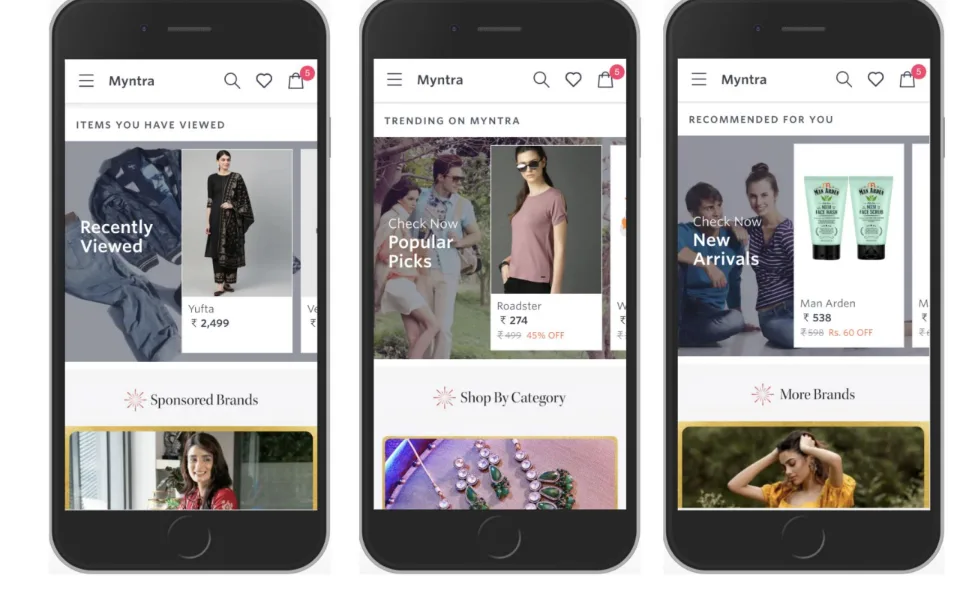
Customers expect recommendations tailored to their preferences, history, and even mood. AI engines analyze browsing patterns, purchase history, and even location data to suggest the right products at the right time.
Example: Myntra uses AI to offer hyper-personalized clothing suggestions based on past purchases, size, and current trends. Amazon globally is known for its recommendation engine, which significantly boosts conversions.
2. Smart Search with NLP & Visual Recognition
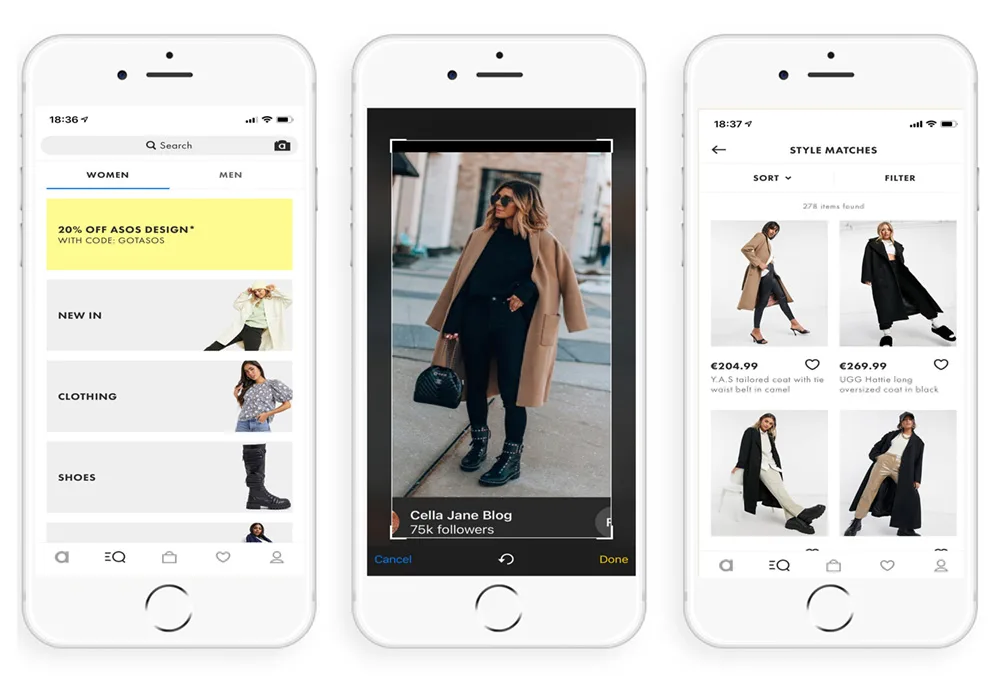
Traditional keyword searches often fall short. Today’s apps need to understand natural language and even visual queries. Visual search allows users to upload an image and find similar products instantly.
Example: Nykaa allows customers to search using natural phrases like “red matte lipstick under ₹500.” ASOS offers visual search, letting users upload outfit images to find matching items.
3. Augmented Reality (AR) Try-On
AR features let customers virtually try on products like clothes, makeup, or furniture before purchasing, boosting confidence and reducing returns.
Example: Lenskart uses AR to let users try eyewear in real-time using their phone camera. IKEA Place globally uses AR for furniture placement, allowing users to see how a product would look in their home.
4. Real-Time Inventory and Geo-Based Stock Visibility
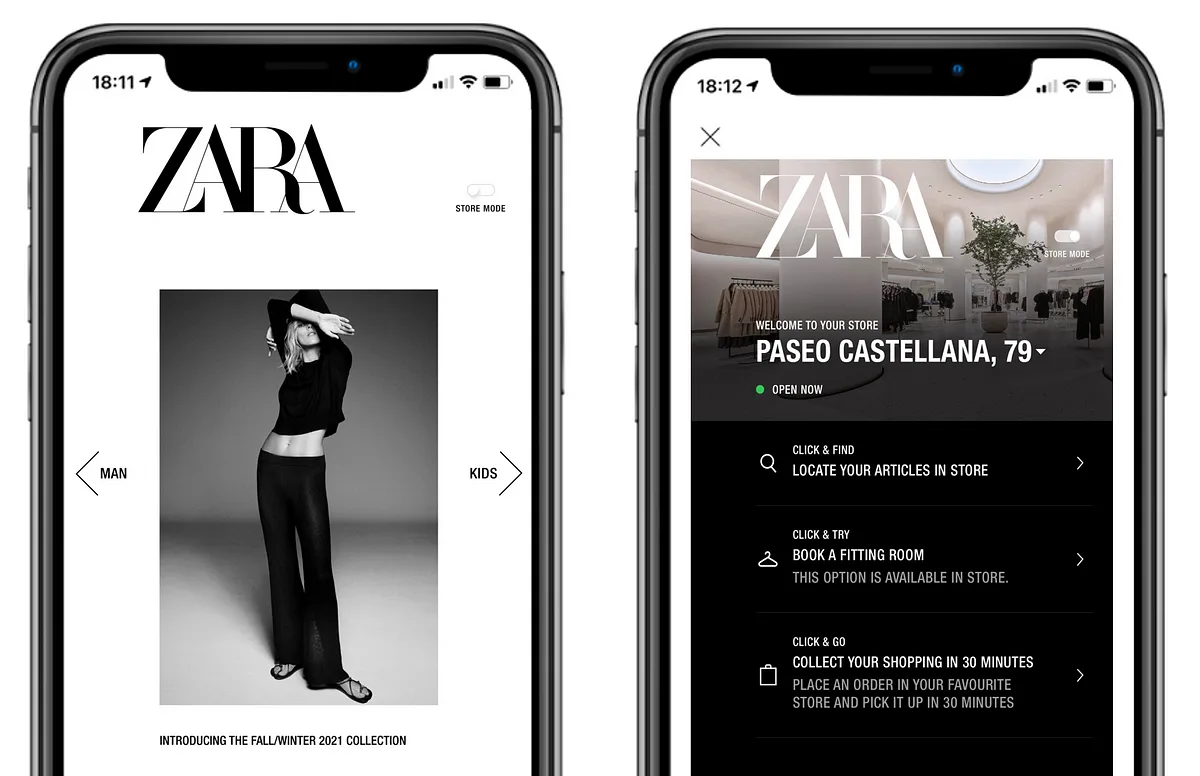
Nothing is more frustrating than finding a product you love, only to realize it’s out of stock. Real-time inventory synced with your nearest store location ensures customers know what’s available instantly.
Example: Reliance Trends enables real-time store-level inventory checks. Globally, Zara offers location-based stock availability right within the app.
5. Multi-Tiered Loyalty and Gamification
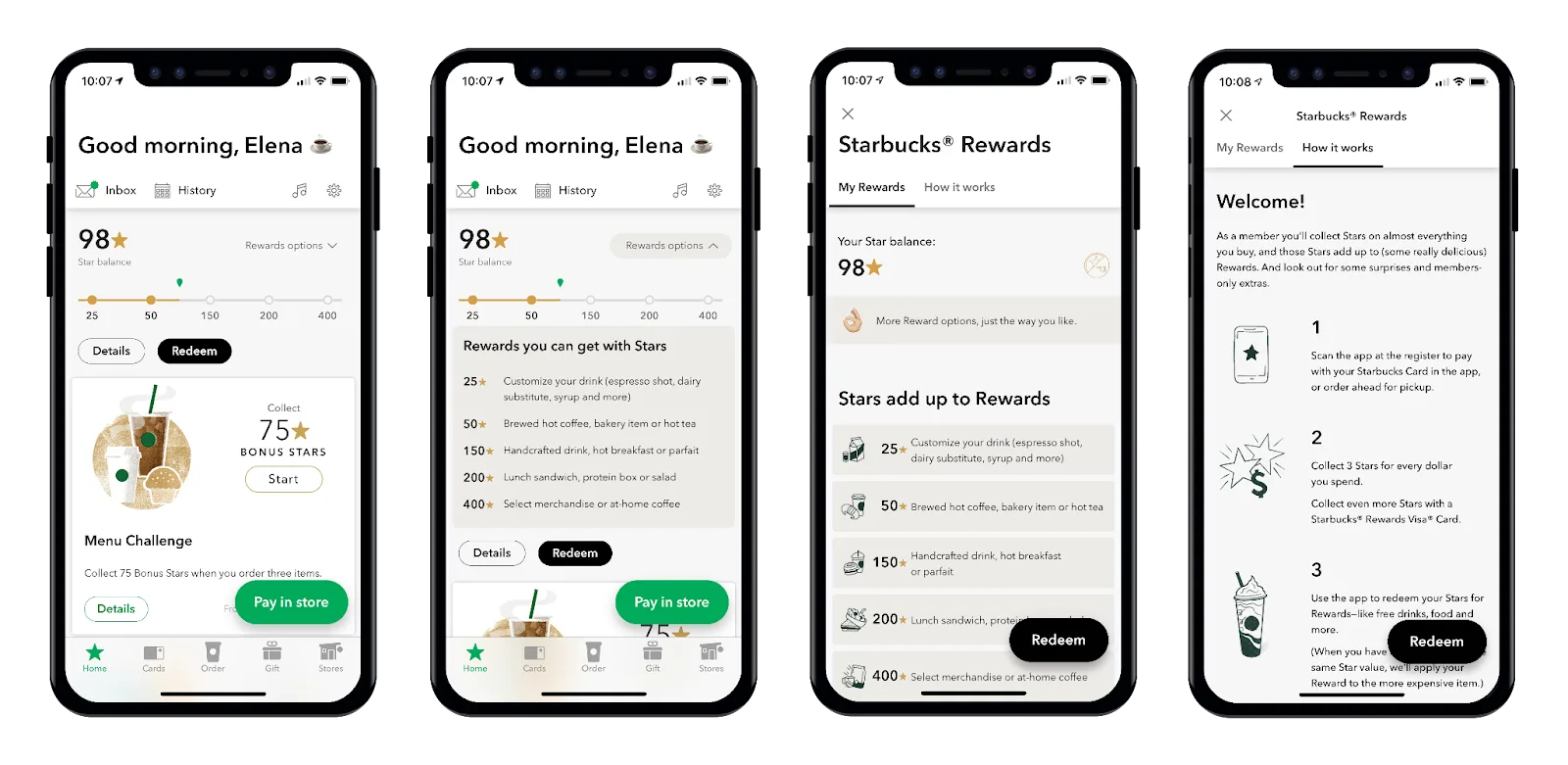
High-converting apps make loyalty rewarding and engaging. Instead of just collecting points, customers can unlock levels, earn badges, or win personalized perks.
Example: Tata Neu combines retail with financial loyalty, offering NeuCoins across multiple brands. Starbucks rewards users with stars that can be redeemed for items, with gamified challenges to boost engagement.
6. One-Tap Checkout and Secure Wallet Integration
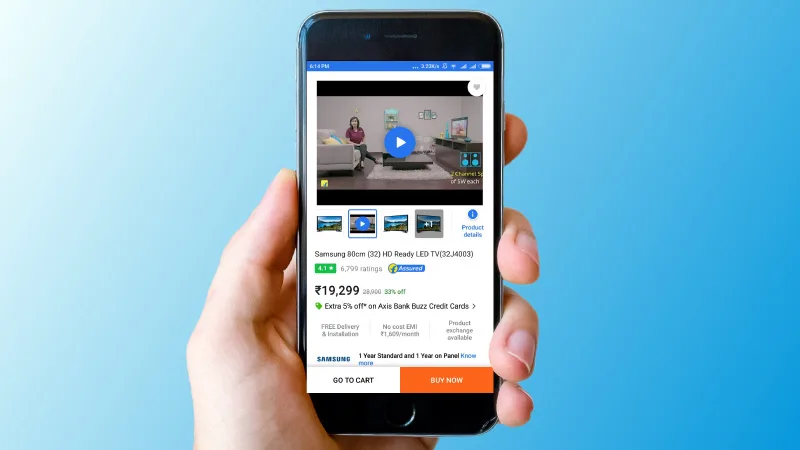
Long checkout processes lead to cart abandonment. One-click payments, stored addresses, and wallet integrations drastically improve conversions.
Example: Flipkart offers a swift “Buy Now” option with pre-filled payment and address details. Alibaba integrates Alipay for lightning-fast, secure payments globally.
7. Push Notifications Driven by Behavior
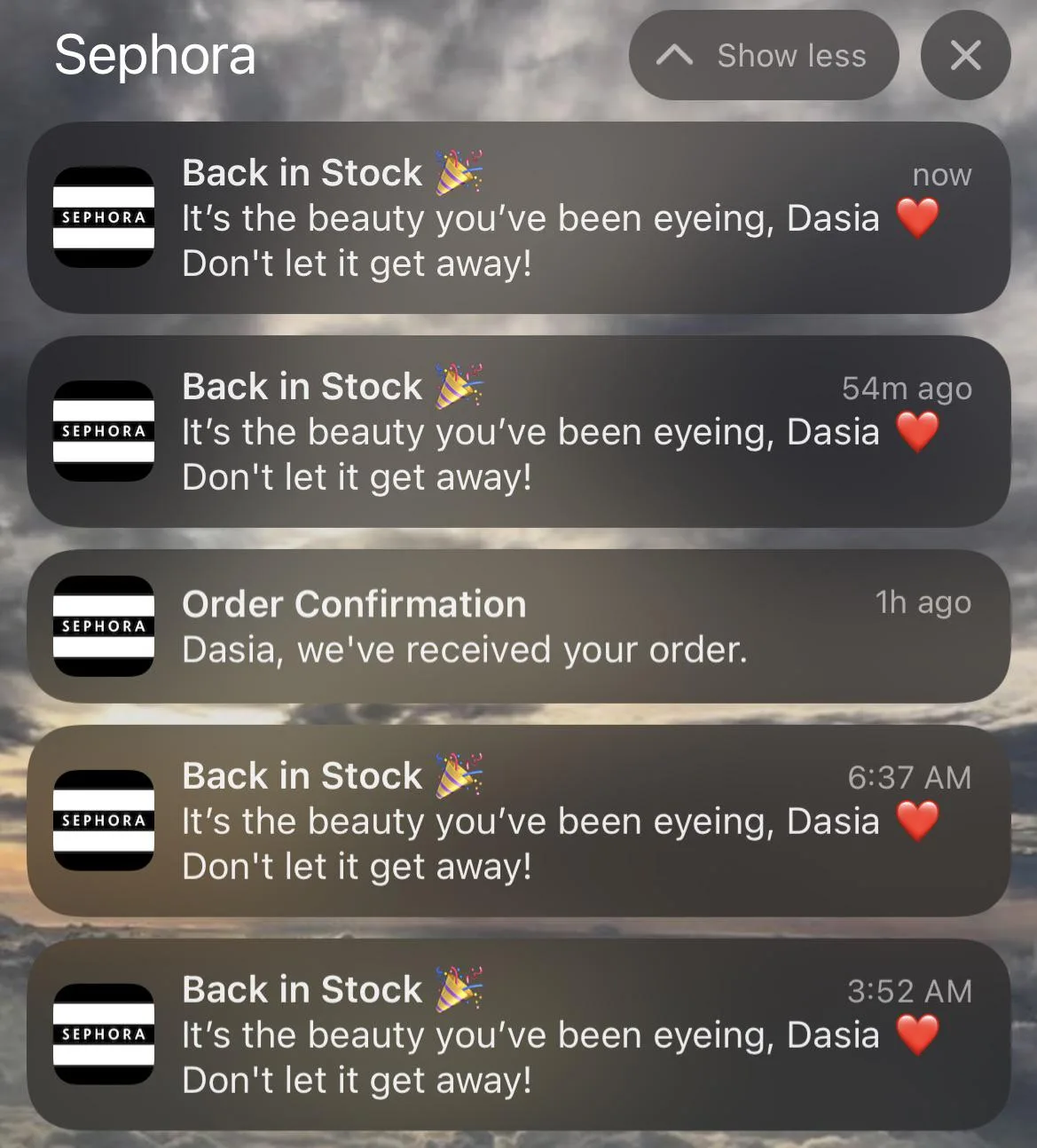
Advanced push notifications use data triggers to send reminders, price drop alerts, or restock messages, making them relevant and timely.
Example: BigBasket sends notifications about previous grocery purchases and expiry reminders. Sephora pushes alerts about restocked favorites and loyalty updates.
8. Voice Commerce
With the rise of voice assistants, enabling shopping through voice commands is becoming a differentiator in mobile retail experiences.
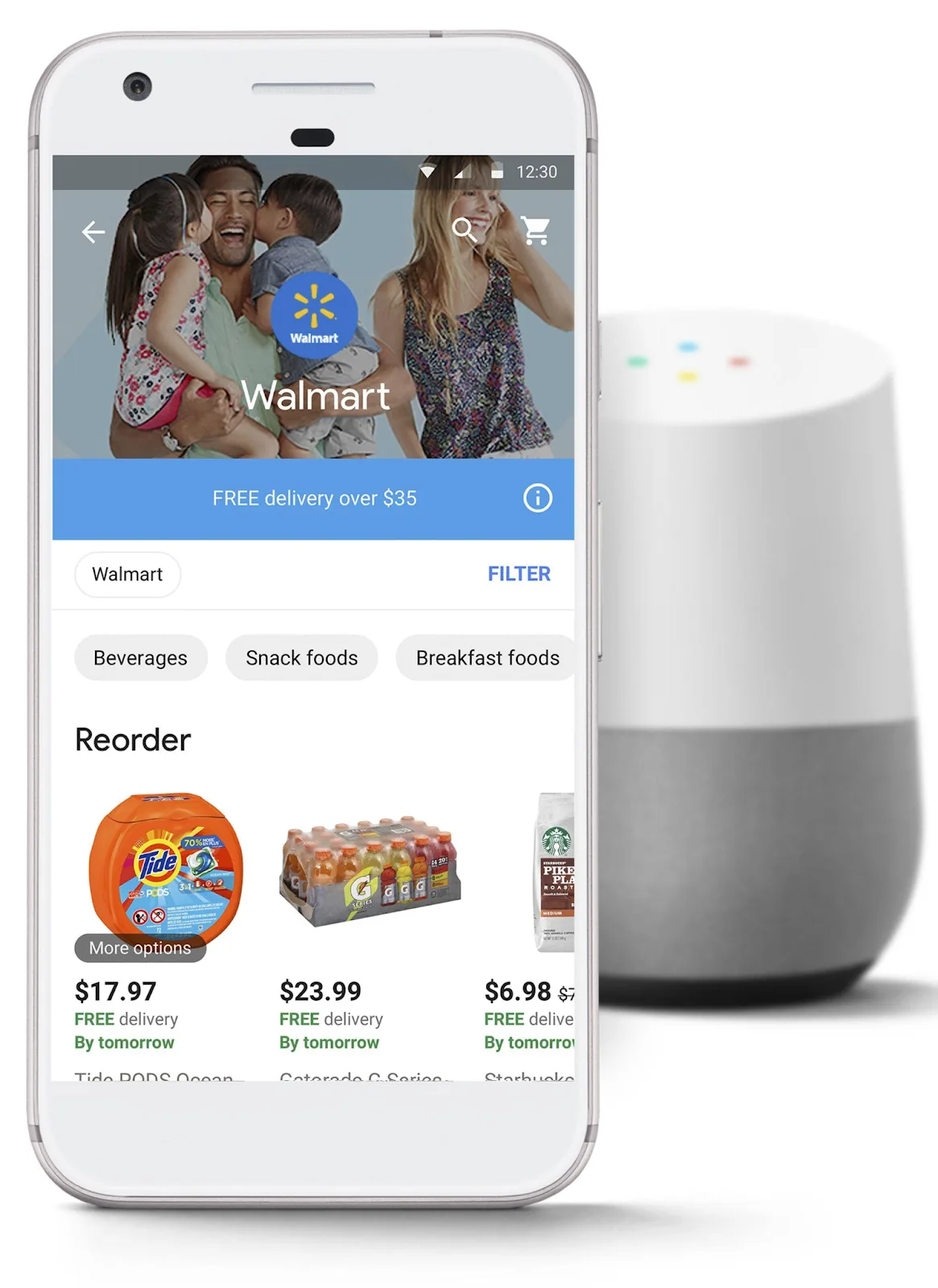
Example: JioMart is gradually exploring voice-enabled shopping. Globally, Walmart supports voice ordering via Google Assistant and Siri.
9. Live Commerce and Video Shopping
Customers engage more when they can see products in action. Live video shopping integrates product demos with real-time purchasing.
Example: Meesho runs live seller events and video catalogs. Alibaba’s Taobao Live has pioneered this space globally, turning livestreams into full-fledged sales channels.
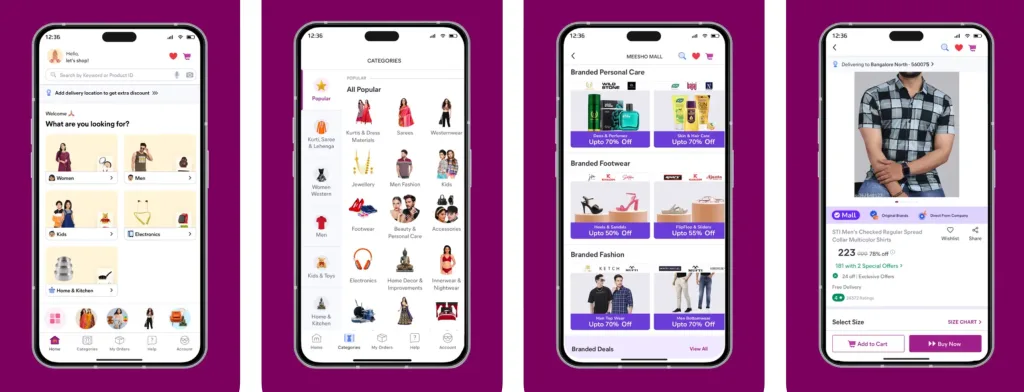
To develop a retail app that actually converts, you need to go beyond the basics. The apps winning today are the ones that blend tech with experience by offering convenience, intelligence, and delight in every interaction. Whether you’re building for a local audience or the global stage, advanced features like these are the new standard.
What’s the cost of a Retail Application Development?
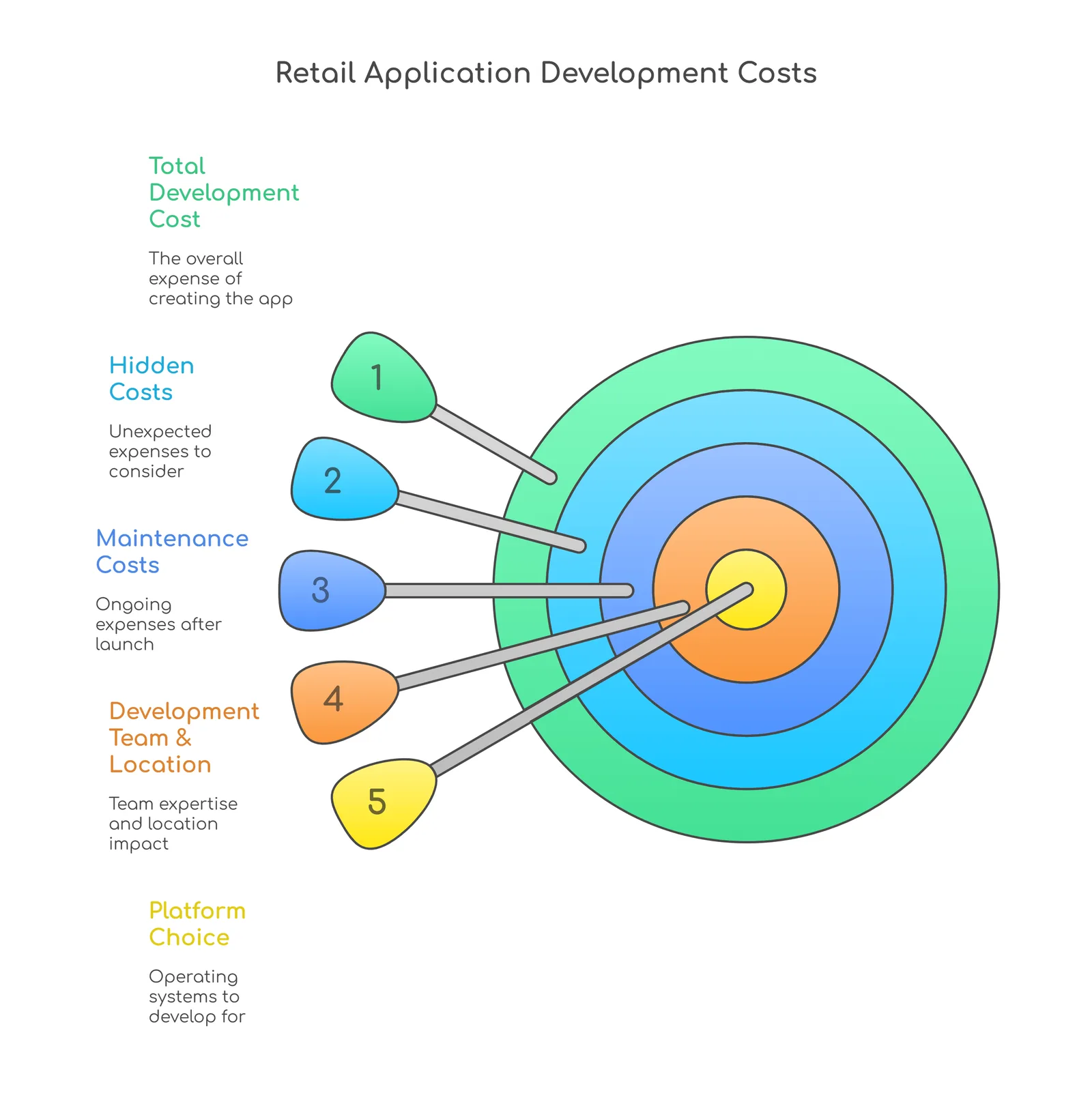
When it comes to developing a retail application, cost is often the first big question, and rightly so. But the answer isn’t one-size-fits-all. The total investment depends on several key factors, including the app’s complexity, features, platform, technology stack, and the expertise of the development team you hire.
Let’s break it down step-by-step…
1. Type of App You Want to Build
- Basic Retail App
Features: Product listings, basic cart and checkout, user login, payment gateway
Estimated Cost: $15,000 to $25,000 (₹12 – 20 lakhs)
Ideal For: Small businesses or startups wanting a minimal online presence
- Mid-Level App
Features: Personalized recommendations, multiple payment options, loyalty program integration, API CMS, advanced admin dashboard
Estimated Cost: $25,000 to $50,000 (₹20 – 40 lakhs)
Ideal For: Growing retailers looking for enhanced functionality
- Advanced or Enterprise-Grade App
Features: AI-driven product suggestions, AR try-ons, live commerce, real-time inventory sync, multi-language support, custom analytics, high security
Estimated Cost: $50,000 to $150,000+ (₹40 lakhs – ₹1.2 crores+)
Ideal For: Large brands or multi-store retail chains targeting high conversion and scalability
2. Platform Choice: Android, iOS, or Both?
- Android-only: Slightly more cost-effective due to open ecosystem and availability of development tools.
- iOS-only: Generally involves higher design and testing standards due to Apple’s strict guidelines.
- Cross-platform (Flutter/React Native): A good middle-ground that helps save cost and time with one codebase for both platforms.
Choosing one or both platforms can increase your budget by 20% to 40%, depending on the approach you take.
3. Development Team & Location
The hourly rate for developers varies significantly based on geography:
- India / Southeast Asia: $20 – $50 per hour
- Eastern Europe: $40 – $80 per hour
- US / UK / Australia: $100 – $200+ per hour
So, a retail app that costs $25,000 in India could easily cost $60,000 or more in the US for the same scope of work.
4. Maintenance and Post-Launch Costs
Development is just the beginning. Ongoing expenses typically include:
- Bug fixing and app updates
- Server and hosting charges
- Third-party APIs (payment, location, analytics, etc.)
- Marketing and user acquisition
Expect to spend around 15–25% of the initial development cost per year on maintenance and support.
5. Hidden Costs to Keep in Mind
- UI/UX Design enhancements77
- App Store/Play Store publishing fees
- Licensing for premium plugins or APIs
- Data storage, especially for high-resolution images and videos
- Testing across multiple devices
While the cost of retail app development can vary widely, one thing is certain: investing in a well-built, high-performing app is no longer optional if you want to stay competitive in today’s market.
If you're aiming for long-term ROI, prioritize quality, scalability, and performance over cutting corners. A good app pays for itself, many times over, when done right.
Retail App Development Cost Comparison
| Category | Basic App | Mid-Level App | Advanced/Enterprise App |
| Estimated Cost | $15,000 – $25,000 (₹12 – 20 lakhs) | $25,000 – $50,000 (₹20 – 40 lakhs) | $50,000 – $150,000+ (₹40 lakhs – ₹1.2 crores+) |
| Best For | Small businesses & startups | Growing retailers with multiple SKUs | Large brands, chain retailers, global players |
| Platforms | Android or iOS | Android + iOS / Cross-platform | Android + iOS / Web + Backend Portal |
| Core Features | Product catalog, cart, login, payments | Advanced filters, loyalty points, and order tracking | AI/ML, AR try-on, live commerce, real-time sync |
| Platforms | Android or iOS | Android + iOS / Cross-platform | Android + iOS / Web + Backend Portal |
| User Experience | Android or iOS | Android + iOS / Cross-platform | Android + iOS / Web + Backend Portal |
| Platforms | Basic UX with standard design | Customized UX with visual enhancements | Highly interactive, tailored for high retention |
| Admin Panel | Basic dashboard | Feature-rich dashboard with analytics | Multi-level admin with real-time data insights |
| Maintenance Cost | ~15% of development cost/year | ~20% of development cost/year | 20–25% of development cost/year |
| Development Time | 1 – 2 months | 3 – 5 months | 6+ months |
| Scalability | Limited | Moderate | Highly- suitable for future scaling |
So, if you're looking to test the waters, starting with a mid-level app with scalable architecture is often the smartest route. You can add advanced features over time based on real user feedback and traction.
How are Zara, H&M, and Shein winning in the online retail space?
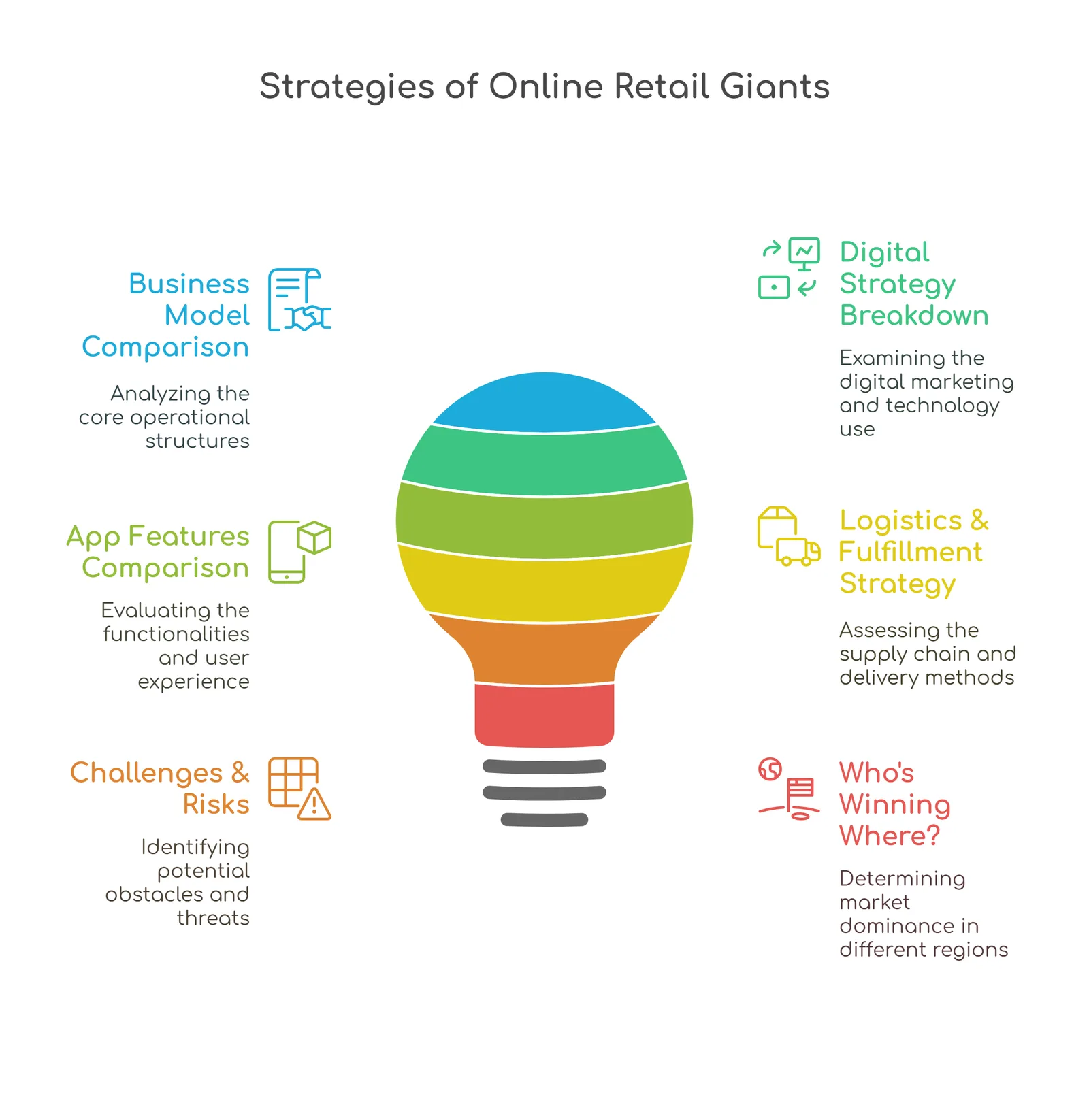
The global fashion retail game has changed, and it's playing out more online than ever before. Brands like Zara, H&M, and Shein have emerged as major players, not just in physical stores but also in the digital space. While each follows a distinct approach, they’ve all cracked the code in their own way. Here’s a deep dive into how these retail giants are succeeding in the online landscape, what sets them apart, and what others can learn from them.
1. Business Model Comparison
| Brand | Business Model | Speed to Market | Inventory Strategy | Target Audience |
| Zara | Fast Fashion with In-House Manufacturing | 2–3 weeks from design to shelf | Limited runs to create urgency | Style-conscious professionals |
| H & M | Fast Fashion via Outsourced Production | 3–4 weeks on average | Large inventory for the global market | Budget-friendly shoppers |
| Shein | Ultra-Fast Fashion with Data-Driven Design | As little as 7 days | Mass SKUs, small batches | Gen Z, trend-driven consumers |
2. Digital Strategy Breakdown
ZARA
- Seamless Omnichannel Experience
Zara merges online and offline effortlessly. Their app allows customers to check in-store stock, book trials, and receive real-time updates. - Minimalist UX Design
Zara keeps its digital interface clean, product-first, and premium, consistent with its brand identity. - Click & Collect
Encourages in-store visits while offering the convenience of online shopping.
Key Strength: Strong supply chain enables Zara to push new styles in a matter of weeks, creating a sense of exclusivity and urgency.
H&M
- Sustainability-First Communication
H&M invests heavily in promoting its Conscious Collection online, tapping into the growing demand for sustainable fashion. - Loyalty App & Personalization
H&M’s app provides tailored suggestions, exclusive discounts, and loyalty rewards that keep users engaged. - Global Reach with Regional Adaptation
Its digital platform supports multiple languages and payment methods, adapting to local customer behavior.
Key Strength: Balanced focus on price, sustainability, and accessibility makes H&M appealing across diverse demographics.
Shein
- Algorithm-Driven Trend Spotting
Shein uses AI and real-time social listening to detect trends, design products quickly, and upload new SKUs daily. - Aggressive Social Commerce
Heavy influencer collaborations and TikTok challenges keep Shein highly relevant among Gen Z audiences. - Low Pricing + Gamified App
Shein offers flash sales, daily check-in rewards, and “Spin & Win” games that drive app stickiness.
Key Strength: Extreme speed, low cost, and a viral marketing engine give Shein a strong edge in volume and customer acquisition.
3. App Features Comparison
| Feature | Zara | H & M | Shein |
| Visual Search | ❌ | ✅ | ✅ |
| AR Try-On | ❌ | ✅ (limited) | ❌ |
| Real-Time Order Tracking | ✅ | ✅ | ✅ |
| Gamification | ❌ | ❌ | ✅ |
| Personalized Recommendations | ✅ | ✅ | ✅ |
| Sustainability Integration | ❌ | ✅ | ❌ |
| Influencer Integration | ❌ | ✅ (mild) | ✅ (strong) |
4. Logistics & Fulfillment Strategy
- Zara: Centralized logistics with high control over the supply chain. This enables rapid distribution of new collections and efficient returns.
- H&M: Operates multiple fulfillment centers worldwide to reduce shipping time. It also promotes “green delivery” in select regions.
- Shein: Primarily ships from China. Despite longer delivery times in some markets, the brand offsets this with low prices and strong customer service.
5. Challenges & Risks
| Brand | Major Risks |
| Zara | Slower digital marketing innovation relies heavily on the in-store experience. |
| H & M | Balancing sustainability goals with the ast fashion model. |
| Shein | Quality concerns, environmental criticism, and rising scrutiny over labor practices. |
6. Who's Winning Where?
- Innovation & Trend Speed – Shein
- Brand Premium Feel – Zara
- Balanced Affordability & Ethics – H&M
- Customer Engagement via App – Shein
- Sustainability Positioning – H&M
- In-Store to Online Transition – Zara
In short, the online retail space isn’t just about launching a website or an app; it’s about building a full ecosystem that reflects your brand values, engages your audience, and adapts in real-time. Zara, H&M, and Shein have each found their own formula. The key is finding what works best for your market, your product, and your customer.
How did we help Eggoz transform its D2C retail presence through a tech-first approach tailored for modern agri-commerce?
About Eggoz
Eggoz Nutrition was born from a vision to bring premium-quality, farm-fresh eggs to Indian households while uplifting the lives of local farmers. With agriculture being the backbone of India’s economy, the founders set out to modernize and streamline the egg supply chain.
Their approach focused on sustainability, quality, and transparency, creating a model that benefits both the end consumers and the farmer community.
But to truly scale this impact, Eggoz needed a robust digital foundation. That’s where Antino stepped in.
The Partnership
Industry: E-commerce
Business Type: Enterprise
Services Delivered:
- App Development
- Website Development
- Supply Chain Management System Development
Technologies Used:
- Frontend: Adobe XD (Design), React.js
- Backend: Django, Docker, Cashfree (for wallet integration)
- Cloud Infrastructure: AWS EC2, AWS S3
The Challenges
Eggoz approached us with a clear set of challenges that were limiting their growth and operational efficiency:
- Wallet Integration with a Subscription Model
They needed a seamless and secure wallet system integrated into their subscription-based e-commerce model, one that would allow customers to manage recurring payments without friction. - Subscription Flow Optimization
Building a smooth, intuitive subscription experience within the mobile app to boost customer retention and repeat purchases. - Process Automation within the Portal
Reducing manual processes by automating internal workflows to improve accuracy and efficiency. - Dynamic PDF Generation for Reports and Invoices
Generating real-time, data-driven PDFs for reports, billing, and documentation that reflected the most current information.
Our Solutions
To meet Eggoz's needs, we crafted a scalable and modular digital ecosystem:
1. Modular PDF and Bill Generators
We built reusable utilities that could be adapted across different modules to generate dynamic PDFs by streamlining everything from invoices to internal reports.
2. Reusable Table Components for Data Display
To help Eggoz manage vast amounts of supply chain and transactional data, we designed reusable React components for clean, organized, and efficient data visualization.
3. Custom PDF Generator Functions
We worked closely with Eggoz to tailor the PDF output to match their specific branding and data requirements, enhancing both utility and presentation.
4. IP-Based Security for Operational Access
Security was critical. So, we implemented an IP-based access control system, adding a layer of protection against unauthorized access to their internal operations portal.
The Impact
With Antino’s digital solution in place, Eggoz was able to:
- Streamline their subscription and payment flows, improving customer satisfaction
- Reduce manual work through automation, increasing operational efficiency
- Enhance security and compliance with advanced access control
- Establish a future-ready digital infrastructure, ready for scale
How can Antino help you with Retail App Development?
At Antino, we understand that retail today is about creating meaningful, seamless customer experiences across digital touchpoints. Whether you're a D2C brand, an e-commerce startup, or an enterprise retailer, we help you build mobile and web applications that are intuitive, scalable, and tailored to your unique business goals. From subscription flows and real-time inventory management to loyalty integrations and secure payment gateways, we design every feature to drive engagement and boost conversions.
Our team blends domain expertise with the latest tech stacks to create solutions that are not only visually appealing but also fast and reliable at scale. We also bring in deep experience with complex retail models, including omnichannel setups, custom dashboards, and automation workflows. If you're looking to future-proof your retail business with a high-performing app that your customers will actually love using, Antino is the right technology partner to get you there.