Have you noticed how quickly the retail industry is changing? It's all thanks to digital transformation, which is happening at an incredible pace. We bet you're curious about why this shift is happening and what's driving it. Don't worry, you're not alone in your questions. Many people are wondering about the same thing.
With each passing day, we see new technologies and IT solutions being adopted by retailers to stay ahead of the competition and offer better user experiences. The digital transformation in retail era has definitely brought about a lot of changes in the way we browse and shop, wouldn't you agree?
So, we've been doing some research on the retail industry digital transformation and we found some really interesting statistics that we think you'll find useful. We looked at global sales and took into account a bunch of different factors, like how much people are shopping online, how many people are using mobile devices to shop, and how new technologies like inventory management software are changing things up.
Key Retail Digital Transformation Stats You Should Know
It's fascinating to see how much technology is changing the retail industry, isn't it? We found some interesting statistics that shed light on just how much digital transformation is shaping the future of retail.
- For instance, did you know that 94% of retail executives from large companies believe that technology plays a significant role in driving new customers? That's according to a survey conducted by SoftServe and Wakefield Research.
- The same survey found that retailers plan to increase their tech investments by an average of 10%, with store operations being the main area of focus for 71% of respondents.
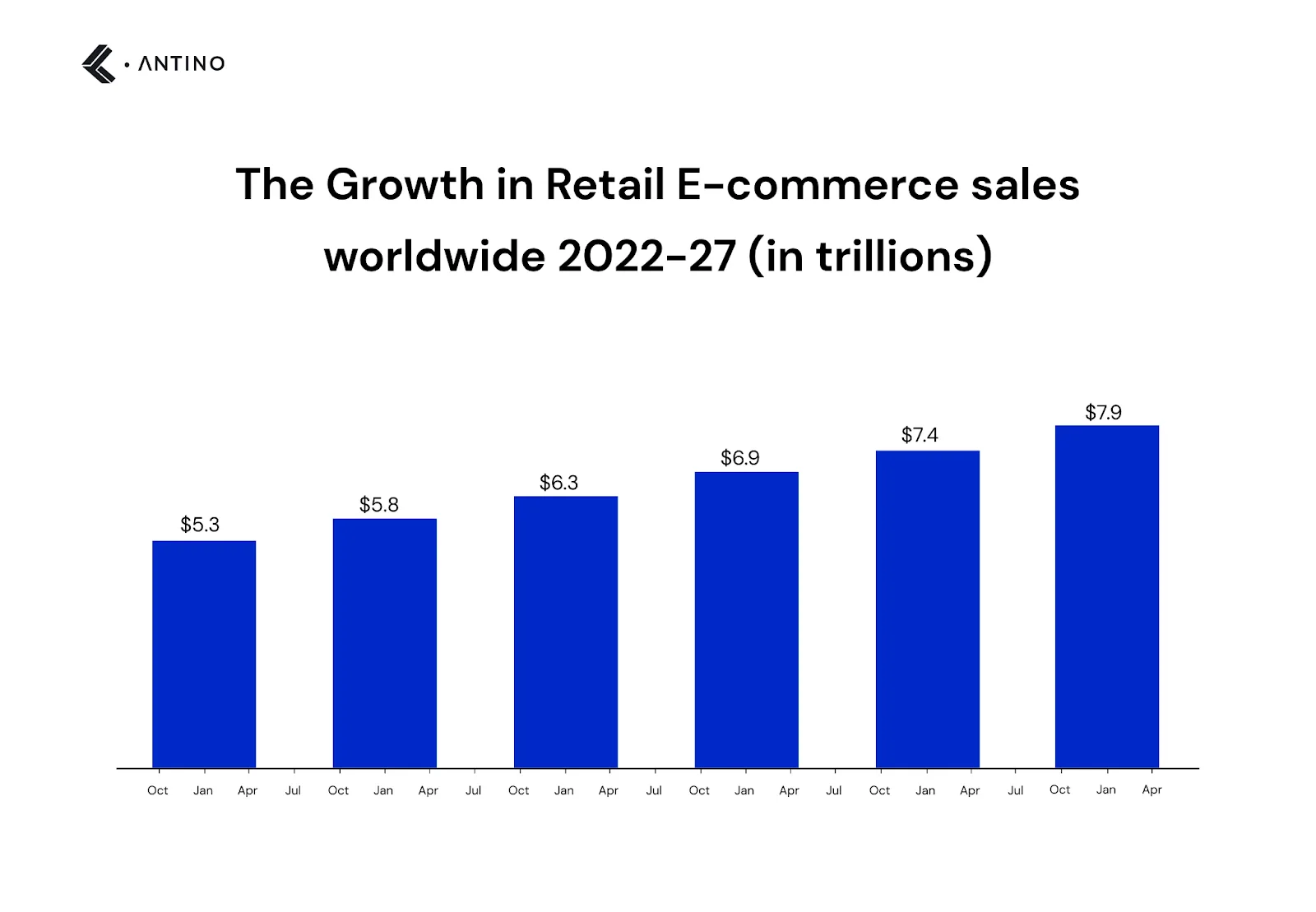
- The growth in retail e-commerce sales is expected to reach $7.9 trillion by 2027.
- In 2024, it is anticipated that around 20.1% of retail transactions will occur online.
- While purchasing any product, 64% of people feel that customer experience is more important than price.
- According to a recent survey, 66% of individuals aged between 18 and 34 have reported an increase in their expectations for customer service over the past year.
It's clear that digital transformation is shaping the future of retail in a big way. But why is it happening so fast? What’s the reason behind it? Well, before that let’s have a look at what exactly retail transformation means.
What is Retail Digital Transformation?
Retail digital transformation refers to the process of incorporating technology into a retailer's operations, systems, and processes to enhance the customer experience, increase efficiency, and drive growth. The primary objective is to digitize manual processes to help employees perform their tasks more effectively and provide a seamless shopping experience across physical and digital channels.
This includes maintaining consistent pricing, product selection, and information availability both online and in-store. By implementing digital transformation, retailers can remain relevant in a rapidly changing and highly competitive market.
They face several traditional challenges, such as profitability, staffing, and customer satisfaction, which technology can help address. By leveraging technology, retailers can adapt quickly to market changes, make data-driven decisions, and position themselves for long-term success.
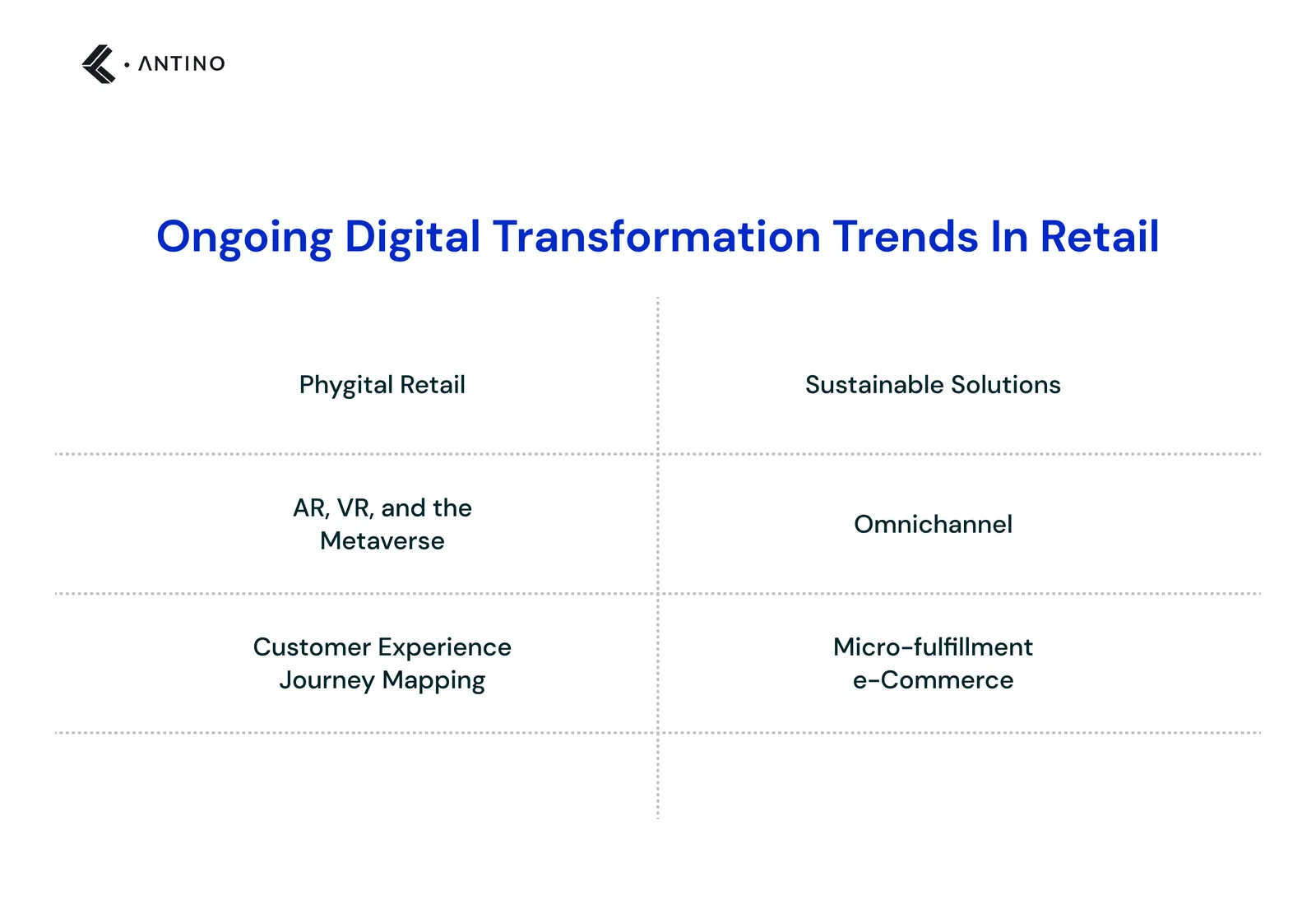
What are the ongoing Digital Transformation Trends in Retail?
Have you ever wondered how the retail industry is keeping up with the rapid changes in consumer behavior and technology? Well, retailers are continuously adapting to the latest trends to stay ahead of the curve and provide better shopping experiences for customers.
As new challenges and opportunities arise, retailers need to be proactive in embracing the digital transformation in retail industry with the latest technology trends to remain competitive.
Let’s take a look at some of the prominent technological trends that are taking the retail industry world by storm.
1. Phygital Retail
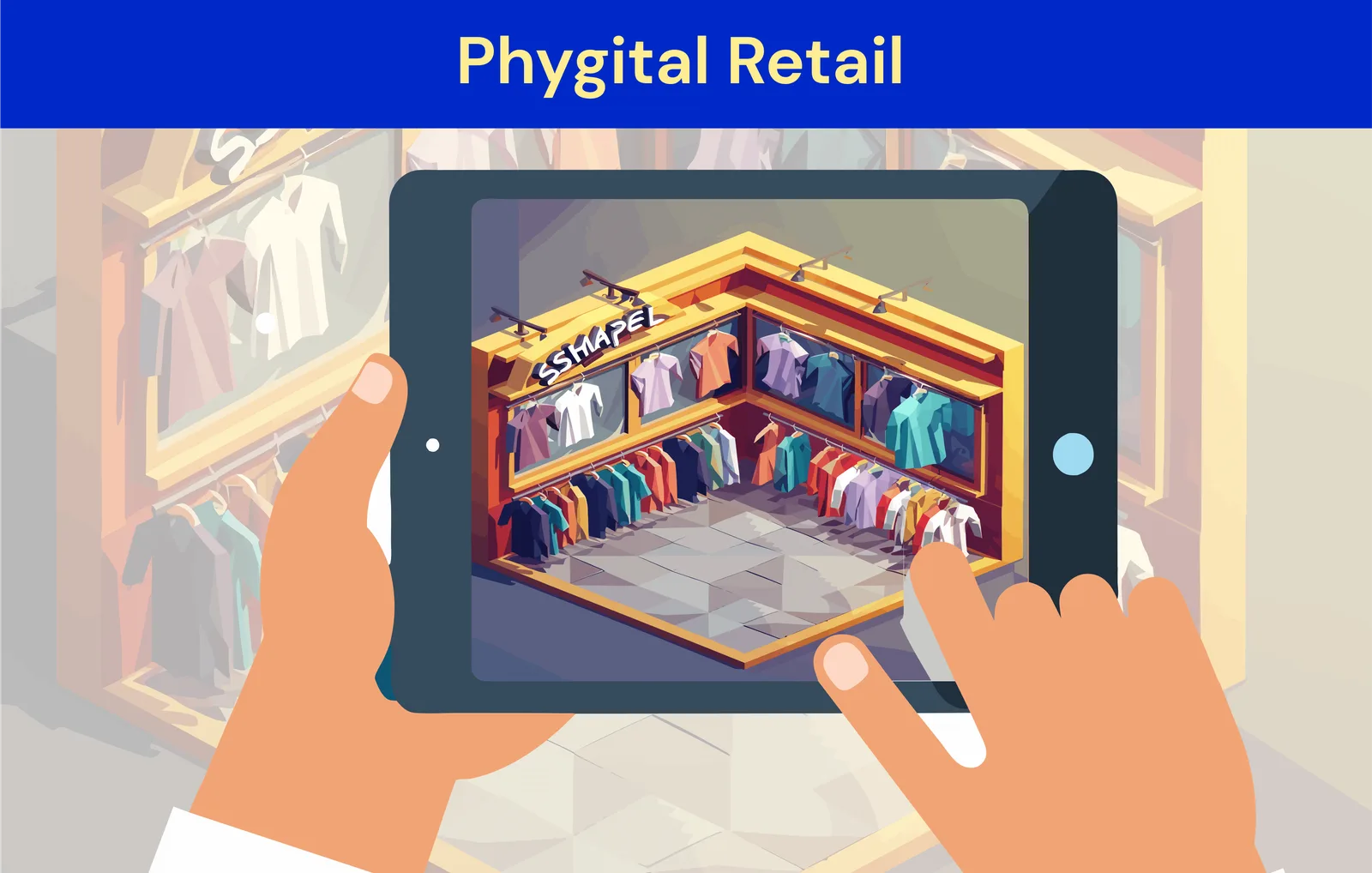
‘Phygital retail’ blends the best of both physical and digital shopping worlds, offering customers a seamless experience that effortlessly combines online and offline elements.
In this setup:
- Online Presence: Retailers maintain strong online platforms, including e-commerce websites and mobile apps, where shoppers can explore products, check reviews, and make purchases.
- Social Media Integration: Retailers leverage social media platforms like Instagram and TikTok to engage with their audience, embed Instagram feed to showcase products, and drive traffic to their sales channels.
- Offline Presence: Physical stores remain essential, serving various functions like showcasing products, providing customer assistance, and fulfilling orders.
- Integration of Channels: The magic happens in how online and offline channels work together. Customers can order online and pick up in-store, or return items bought online at a physical location.
- Technology Integration: Retailers make smart use of technology to enrich the shopping journey. This might involve AR for virtual fittings, beacon systems for tailored offers, and digital displays for interactive product details.
- Data Utilization: By analyzing customer data from both online and offline interactions, retailers gain insights to personalize offerings, enhance engagement, and refine the overall shopping experience.
- Omnichannel Approach: Phygital retail is just one part of a bigger omnichannel strategy, ensuring a consistent and seamless experience for customers across every touchpoint.
Ultimately, phygital retail aims to help consumers with flexibility and convenience, allowing them to interact with a brand online or offline according to their preferences. It's all about recognizing how digital and physical retail complement each other in today's consumer landscape.
2. AR, VR, and the Metaverse Will Bring Consumers Into Experiential Digital Spaces
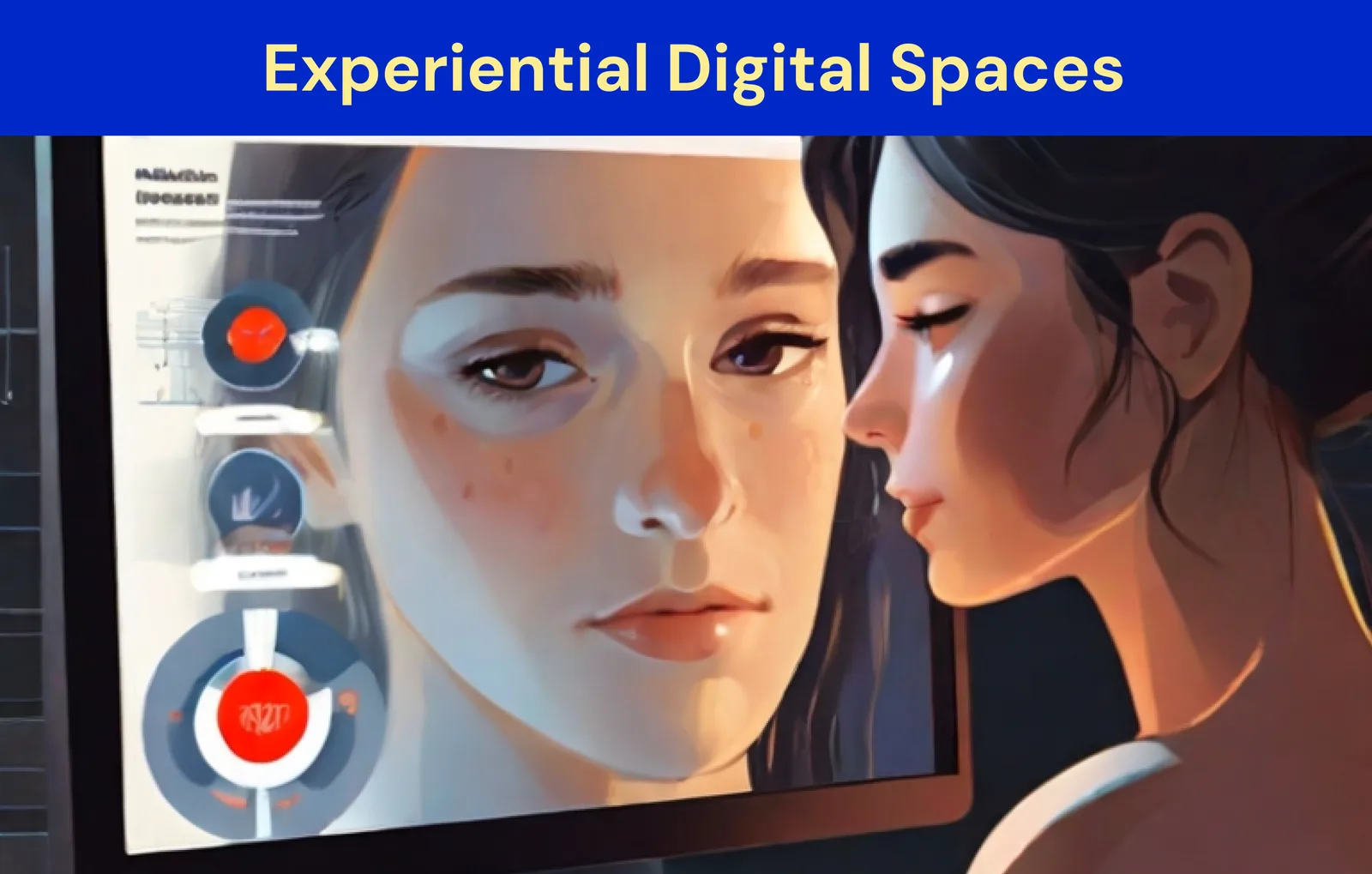
Have you noticed how technology has completely transformed the innovation in retail industry? Nowadays, customers expect a seamless, consistent, and memorable shopping experience, and retailers are using immersive experiential digital shopping environments to meet these expectations. Next-gen technologies like AR and VR are being used to create an immersive and fun shopping experience where customers can shop in a simulated environment.
Have you ever tried VR shopping? It's the most immersive way to connect with the metaverse. Although the future of the metaverse remains questionable, companies like Hugo Boss, Walmart, and Amazon are exploring AR and VR solutions to offer unique shopping experiences.
For instance, they allow customers to virtually try on clothing using digital representations of themselves, which is an extension of the earlier use of AR by furniture companies. In fact, IKEA’s app was one of the first AR apps to be released using Apple’s augmented reality technology.
As customers become increasingly more drawn towards immersive shopping experiences, therefore, brands will continue to integrate next-gen technologies to satisfy their customers.
3. Customer Experience Journey Mapping
Have you noticed how the way brands communicate with their customers has changed over time? In the past, it used to be all about window displays, visual merchandising, and traditional advertising. But now, with the rise of the internet, the conversation often starts online and continues into the store.
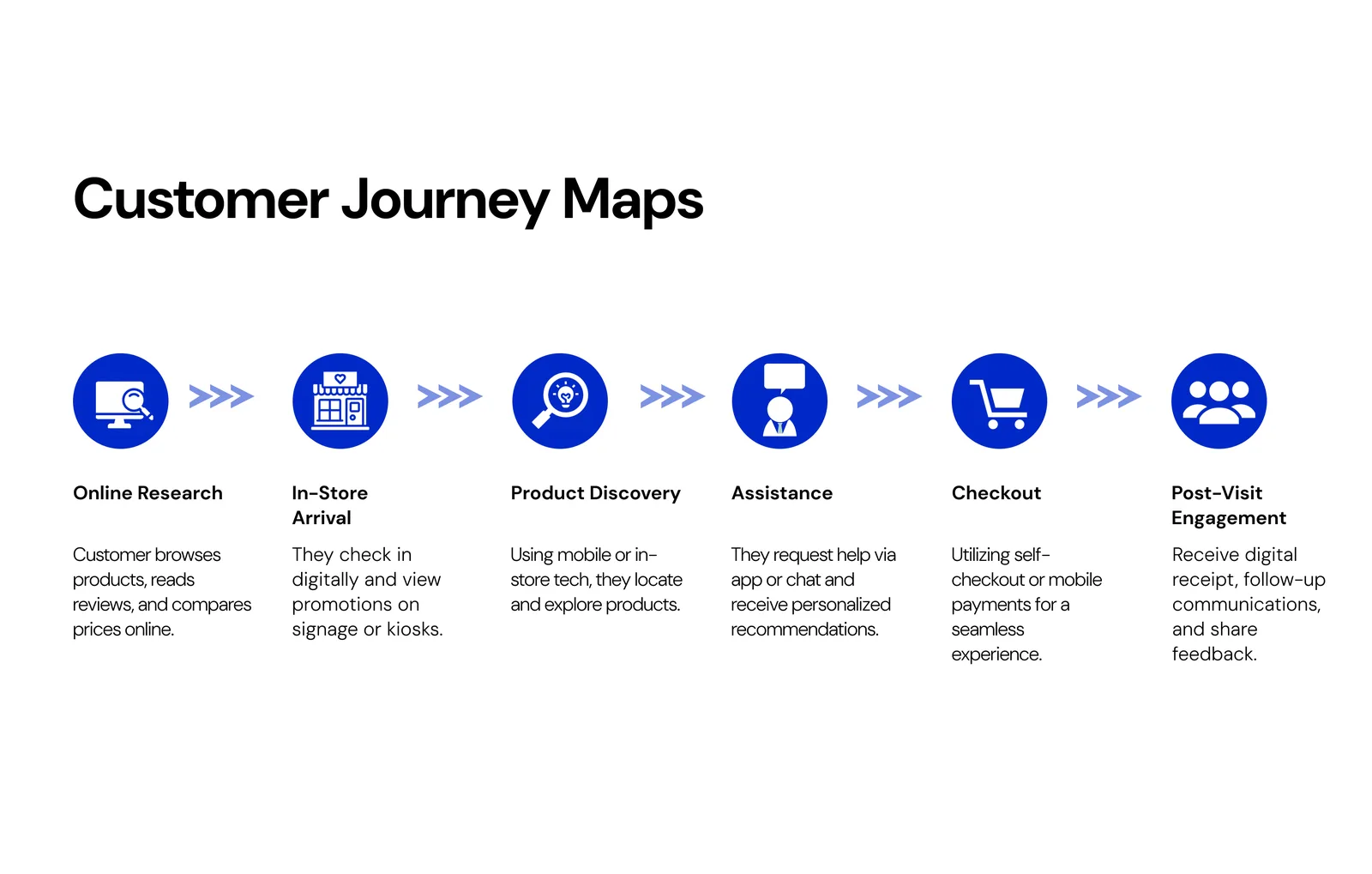
There's a diagram that we made for a better overview that does a great job of helping retailers map out the customer experience journey, both online and in stores. By looking at this diagram, we can see that there are many different solutions required to enhance the experience and improve results. It's not just about finding individual solutions but finding a suite of solutions that can integrate and meet the needs of the retailer to deliver the best experience for customers. This is key to accelerating the success of retail digital transformation.
To build a better customer experience journey map and identify gaps that new technologies can fill, it's important to understand the customer's journey using Business Intelligence, Insights, Data, and other tools. Using digital experience software, one can significantly enhance this process, helping retailers to improve the customer experience and stay ahead of the competition.
Sustainable Solutions
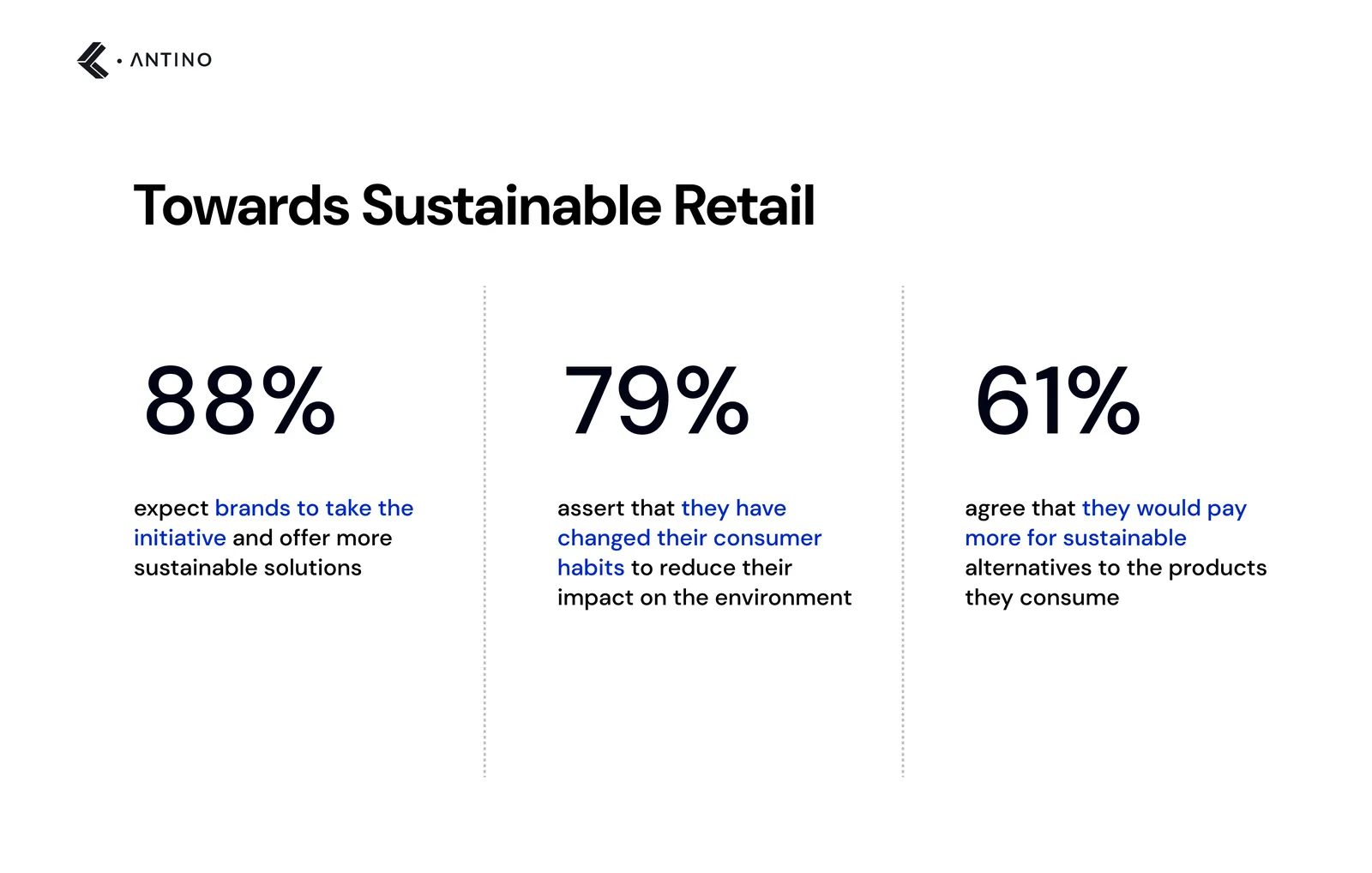
Have you ever thought about how the upcoming global elections in major economies could shape the retail industry's sustainability initiatives? Well, it's expected that evolving policies will encourage greater adoption of sustainable products, prompting brands to integrate more eco-friendly strategies into their planning. This shift towards sustainability will fuel the retail digital transformation trends that are centered around eco-friendliness. It's exciting to see how the industry is evolving, isn't it?
5. Omnichannel
As technology is advancing, users are becoming more drawn towards hassle-free shopping experiences across all channels. Retailers are constantly adapting to this need by embracing new trends like composable, omnichannel, and unified commerce. This means that retailers are using technology to create a connected shopping experience across all devices and platforms, from physical stores to online shopping platforms.
As AI and QR codes become more common, retailers are finding new ways to enhance the customer experience and make shopping easier and more convenient. They are also finding ways to integrate technology more seamlessly into all aspects of shopping, from virtual fittings to personalized offers. To keep up with these changes, retailers need to prioritize a unified approach to commerce that integrates all channels and devices.
6. Micro-fulfillment
As the costs of third-party logistics (3PL) continue to rise, retailers are turning towards micro-fulfillment as a more cost-effective strategy. This approach allows them to leverage their existing assets and reduce freight costs while also providing faster delivery options for customers. However, implementing this strategy requires operational changes and modernization of technology to fully take advantage of new business models such as buy online pick up in-store (BOPIS), reserve online pick up in-store (ROPIS), and curbside pickup. As retailers upgrade their technology infrastructure, micro-fulfillment is expected to become one of the leading trends in digital transformation retail.
7. e-Commerce
E-commerce has changed the way we shop by making it easy to buy things online. You can browse, compare, and purchase products from anywhere at any time. It's convenient for both customers and businesses. Retailers can reach a wider audience and scale up easily, while customers enjoy the flexibility and accessibility of shopping online.
Plus, e-commerce provides valuable data insights that help businesses improve their offerings and attract more customers. Overall, e-commerce has revolutionized the retail industry and will continue to shape the way we shop in the future.
All in all, 2024 could be a crucial year for retail digital transformation, as many executives are eager to plan ahead after the digital disruptions in retail. With increased confidence, CFOs are prioritizing long-term projects and focusing on building resilient business models and infrastructure. While the impact of AI in ecommerce and retail remains uncertain, businesses need to consider incorporating it into their digital strategy. However, this requires creating a strong foundation with robust architecture, data, and process models.
Benefits of Digital Transformation for Retail
Retail store digital transformation is not only benefiting the store owners but also helping customers to get whatever they want at their fingertips. That’s why the benefits of digital transformation in retail are endless, however, we’ve selected a few prominent advantages of digitization that are benefitting the retail industry to a major extent. Let’s read further.
Improving Customer Service Efficiency
E-commerce platforms strive to offer a seamless and self-service experience to shoppers. By integrating technologies like knowledge management systems and chatbots, retailers can significantly reduce the need for constant customer support interactions. This not only saves time and resources but also ensures that customers can navigate from browsing to checkout with minimal friction.
Prioritizing Smooth Customer Experiences
Today's digital consumers have high expectations for their shopping journeys. Any obstacles or frustrations along the way can result in abandoned carts and lost sales. By prioritizing a smooth and intuitive experience, akin to brands like Lululemon with transparent pricing and efficient delivery processes, retailers can earn trust and loyalty from their customers.
Maximizing Upsell and Cross-Sell Opportunities
Online retailers have a unique advantage in suggesting additional products to customers during their shopping experience. By leveraging data and algorithms, retailers can intelligently recommend complementary items or showcase what others have purchased, similar to strategies employed by industry giants like Best Buy and Amazon. This not only maximises the average order value but also improves the shopping experience.
Deepening Understanding of Buyer Preferences
Data analytics plays a crucial role in modern retail operations. By harnessing advanced analytics tools, retailers can gain valuable insights into customer behavior, preferences, and trends. This deeper understanding allows for more personalized marketing campaigns, product recommendations, and pricing strategies, ultimately leading to higher conversion rates and customer satisfaction.
Optimizing Marketing Campaigns Through Data
Data-driven marketing campaigns are the cornerstone of successful digital retailing. By capturing and analyzing customer data, retailers can tailor their marketing efforts to resonate with their target audience. This includes personalized promotions, targeted advertisements, and strategic messaging based on customer preferences and behaviors.
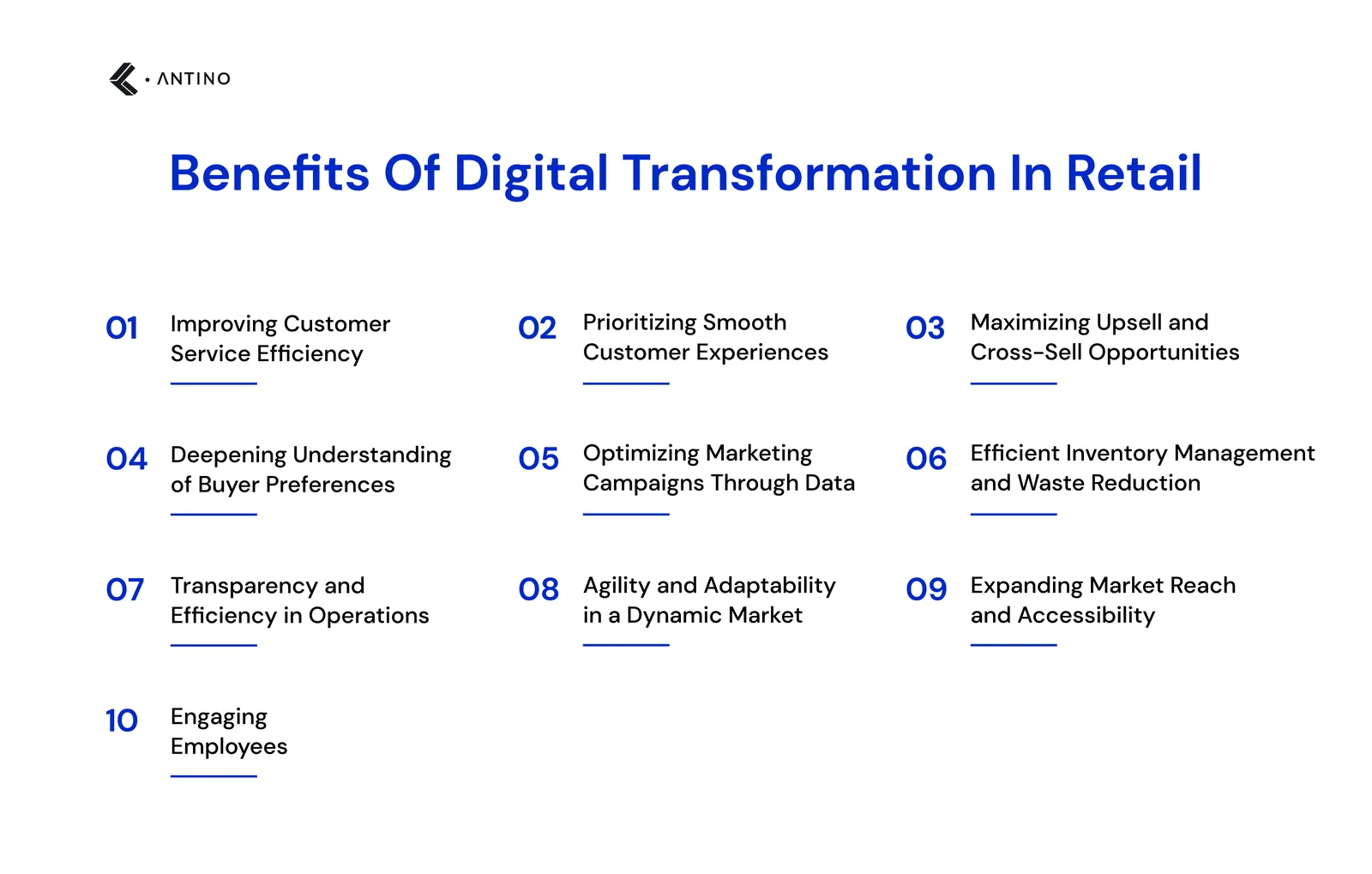
Efficient Inventory Management and Waste Reduction
Smart data analysis not only informs inventory decisions but also helps minimize wastage and optimize stock levels. By understanding which products are in demand and which are slow-moving, retailers can make informed decisions about purchasing, stocking, and pricing. This leads to more efficient operations, reduced overhead costs, and ultimately, higher profitability.
Transparency and Efficiency in Operations
Digital transformation enables retailers to gain insights into every aspect of their operations, from production to sales. By collecting and analyzing data across various departments, retailers can identify bottlenecks, streamline processes, and improve overall efficiency. This transparency allows for informed decision-making and proactive problem-solving, ensuring smoother operations and better customer experiences.
Agility and Adaptability in a Dynamic Market
In today's rapidly evolving retail landscape, agility and Retail Marketing strategies are key to staying competitive. Embracing digital transformation equips retailers with the flexibility and adaptability needed to respond quickly to market changes, consumer trends, and unforeseen disruptions. This agility enables retailers to seize opportunities, mitigate risks, and maintain a competitive edge in an ever-changing market environment.
Expanding Market Reach and Accessibility
The rise of e-commerce has shattered geographical barriers, allowing retailers to reach customers beyond their local markets. Digitally advanced businesses can tap into a global customer base, leveraging technology to deliver products and services to consumers anywhere in the world. This expanded market reach not only opens up new revenue streams but also fosters growth and innovation within the organization.
Engaging Employees
Digital transformation isn't just about technology- it's also about empowering employees and fostering a culture of innovation and collaboration. By providing employees with the tools, training, and support they need to succeed in a digital environment, retailers can boost morale, increase productivity, and retain top talent. This positive work environment encourages creativity, initiative, and continuous improvement, driving long-term success for the business.
These are just a few of the benefits provided by digital transformation in the retail sector because the list is longer than expected. However, after going through the advantages mentioned above, you must be clear about how digital transformation is booming in the retail sector.
How Antino Can Help You Integrate Digital Transformation in Retail?
At Antino, we're passionate about helping retailers thrive in the digital age by integrating transformative solutions tailored to their unique needs. Through close collaboration and a deep understanding of your business objectives, we provide end-to-end support in leveraging cutting-edge technologies and data-driven insights to enhance the customer experience, optimize operations, and drive growth.
With our focus on innovation, agility, and continuous improvement, we're committed to helping retailers stay ahead of the curve and succeed in today's dynamic retail landscape. If you want to know more about digital transformation solutions, then connect with our experts for a brief overview.
FAQs
What is Omni retail?
Omni retail refers to a seamless and integrated shopping experience across multiple channels, including online and offline, aimed at providing customers with a consistent and convenient journey from browsing to purchasing.
How are digital devices used in retail?
Digital devices are utilized in retail for various purposes, such as enhancing customer engagement through interactive displays, optimizing inventory management with RFID technology, and facilitating mobile payments for convenient transactions.
How does digitalization affect retail?
Digitalization revolutionizes retail by enabling personalized marketing strategies, streamlining operations with data analytics, and enhancing the overall customer experience through innovative technologies like AR/VR and AI-driven chatbots.